Closing the Gap Between Academic Research and Patient Impact
Principal investigators in the SPARK NS program reflect on the challenges, expertise, and support needed to move Parkinson’s and autism discoveries toward patients.
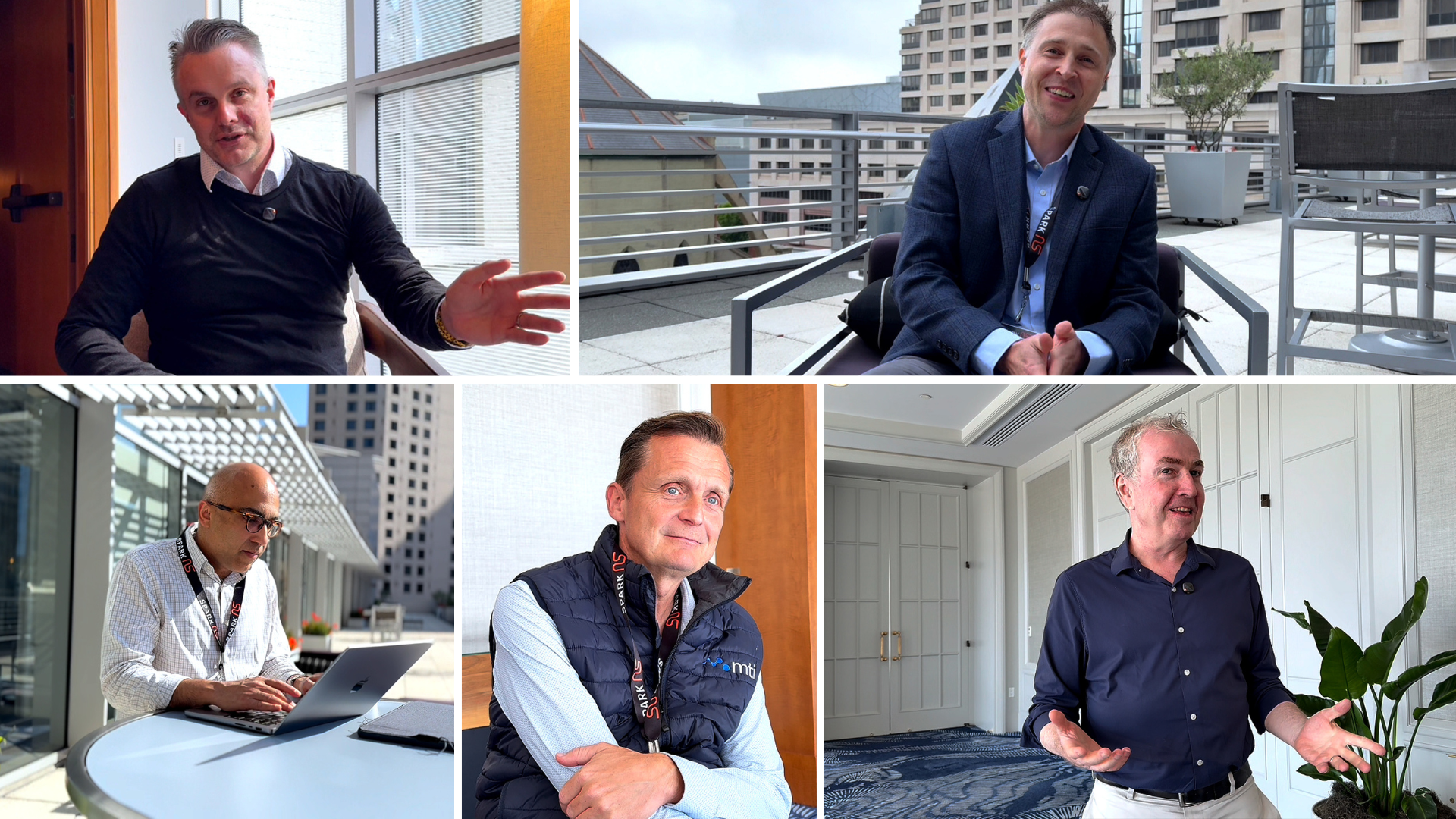
Many Parkinson’s and autism discoveries make it into journal articles. Far fewer make it to patients. Why do so many promising discoveries never become therapeutics? Principal investigators currently in the program share the realities of drug development and the value of support. From identifying promising discoveries to navigating the expertise, resources, and work required to move them into the clinic, they reflect on what it actually takes to move beyond publications to patient impact.
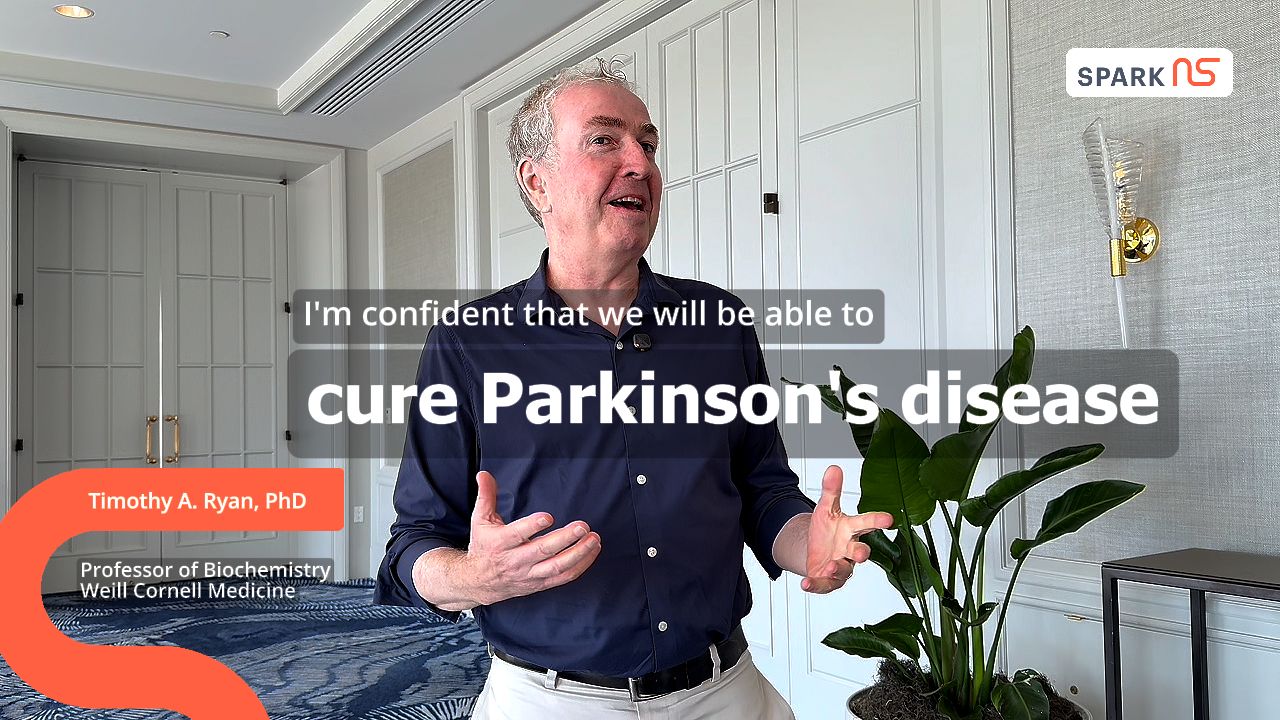
Timothy A. Ryan, PhD
Professor of Biochemistry, Weill Cornell Medicine
Timothy A. Ryan, PhD, understands the difference between academic discovery and drug development.
“I now realize the huge gap between an academic idea and an actualized therapeutic,” said Dr. Ryan. “And that’s why SPARK NS has been such an incredible opportunity. I didn’t have to convince an investor to go on this ride, and instead, I’m being carried along by experts to help bring this idea to life.”
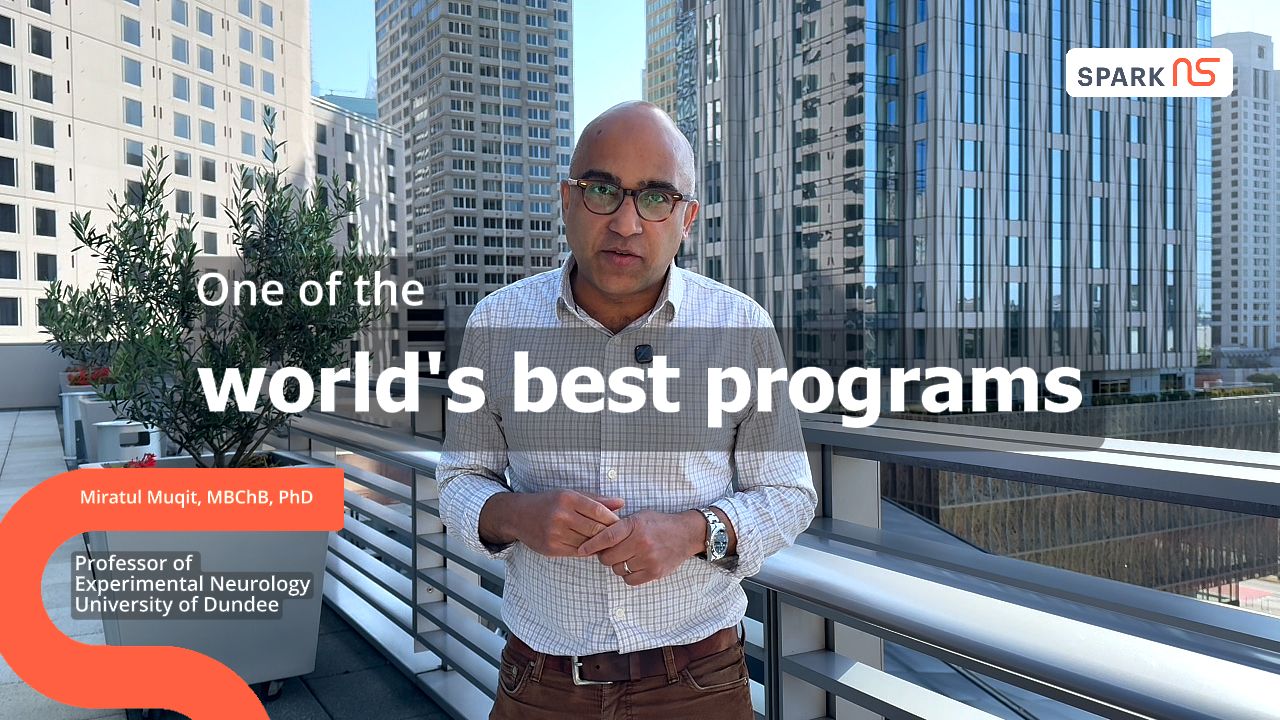
Miratul Muqit, MBChB, PhD
Professor of Experimental Neurology, University of Dundee, and Director of UK Dementia Research Institute (UK DRI) Parkinson’s Research Centre, University of Edinburgh
Miratul Muqit, MBChB, PhD, describes SPARK NS as “a translation program like nothing I’ve ever seen before,” pointing to the level of expertise, advising, and support available to researchers at different stages of development—from very early ideas to projects already advancing molecules.
“If you have an idea to develop a medication for Parkinson’s, I think SPARK NS at the moment represents probably one of the world’s best programs to realize that ambition,” he said.
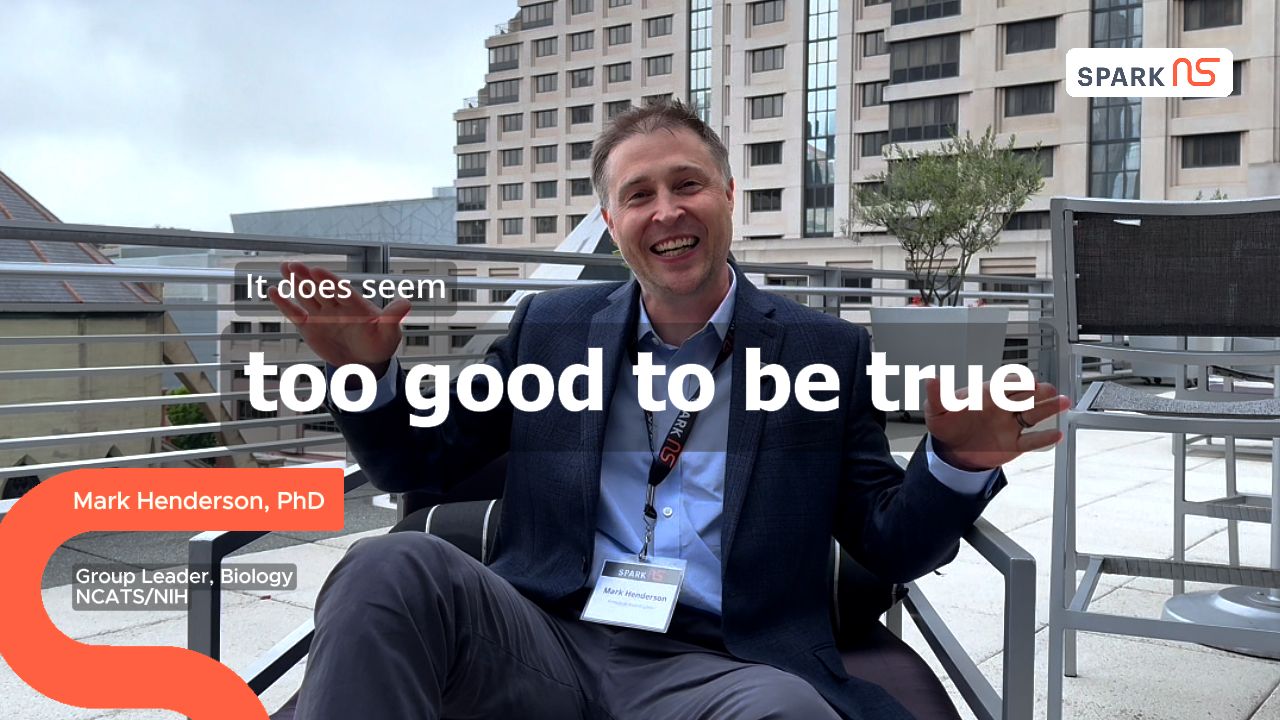
Mark Henderson, PhD
Group Leader, Biology, National Center for Advancing Translational Science (NCATS/NIH)
For Mark Henderson, PhD, the SPARK NS program initially felt “too good to be true.”
“We came across SPARK NS and it just seemed like such a perfect fit for the project we were working on,” said Dr. Henderson.
Over time, what stands out most to him is the collaborative environment and the willingness of people across the program to help projects move forward—something many academic researchers struggle to access on their own.
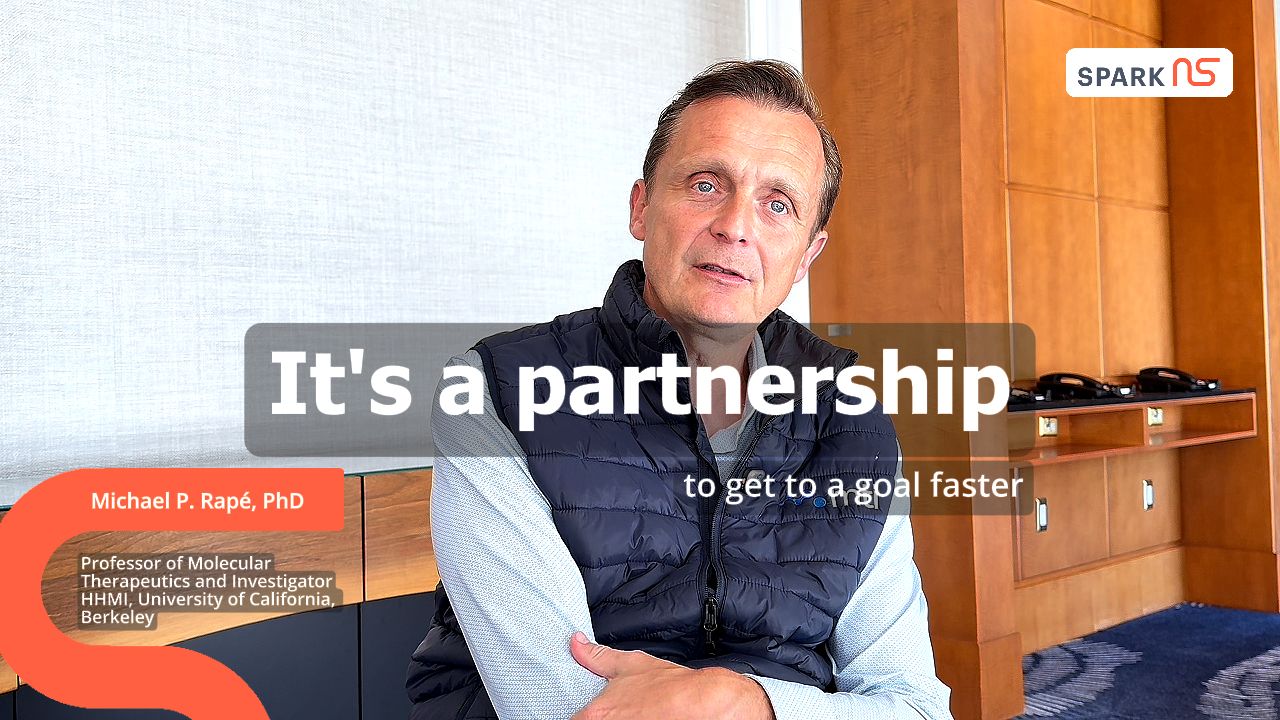
Michael P. Rapé, PhD
Professor of Molecular Therapeutics and Investigator, HHMI, University of California, Berkeley
Michael P. Rapé, PhD, recognizes the importance of having not only a therapeutic hypothesis, but also the right support to move it forward. For Dr. Rapé, the partnership offered through the SPARK NS program provides a level of support that “you rarely find in academia.” Here’s how he describes his work with SPARK NS:
“Once you have this therapeutic hypothesis, you get a partner with whom you can really very rapidly move that hypothesis forward.”
Matthew D. Disney, PhD
Institute Professor and Chair, The Herbert Wertheim UF Scripps Institute for Biomedical Innovation & Technology, University of Florida
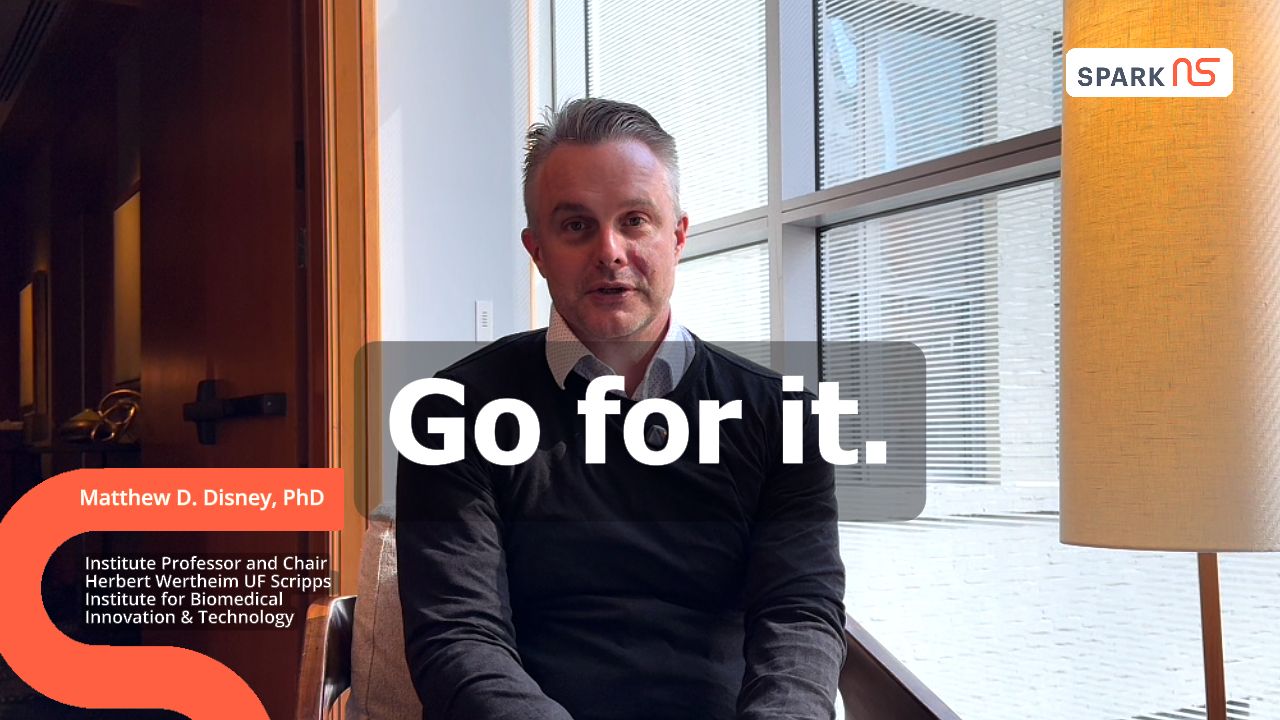
Matthew D. Disney, PhD, offers a direct perspective for researchers with promising Parkinson’s or autism discoveries who may still be considering whether to apply to the SPARK NS program.
“What’s the worst thing that can happen?” he asks. “You get some feedback to make your science better. I think that’s a pretty good position to be in.”
For Dr. Disney, if a discovery has the potential to become a therapeutic that helps patients, it is worth taking the next step.
About the SPARK NS Translational Research Program
The SPARK NS Translational Research Program supports academic researchers working to advance therapeutics for Parkinson’s disease, autism, and adjacent conditions with the resources they need to meet their translational objectives and prepares them for the rigor of the entire drug development process.
The five key program components are:
- Up to $2,000,000 in milestone-based funding
- Advice from 90+ industry expert advisors
- In-person and online education in drug development
- Participation in a collaborative community
- Post-program support
Learn more
- Explore the projects and principal investigators currently in the SPARK NS Program
- Learn more about the SPARK NS Translational Research Program and how to apply for the 2027 Cohort on the “Call for Proposals” page of the SPARK NS website
- Sign up for updates on the 2027 Cohort of the program and other SPARK NS news