D-SPARK Crosses Halfway Mark in Parkinson’s Clinical Trial Recruitment
The first clinical trial to emerge from the SPARK NS Translational Research Program has enrolled more than 50% of its planned 124 participants.
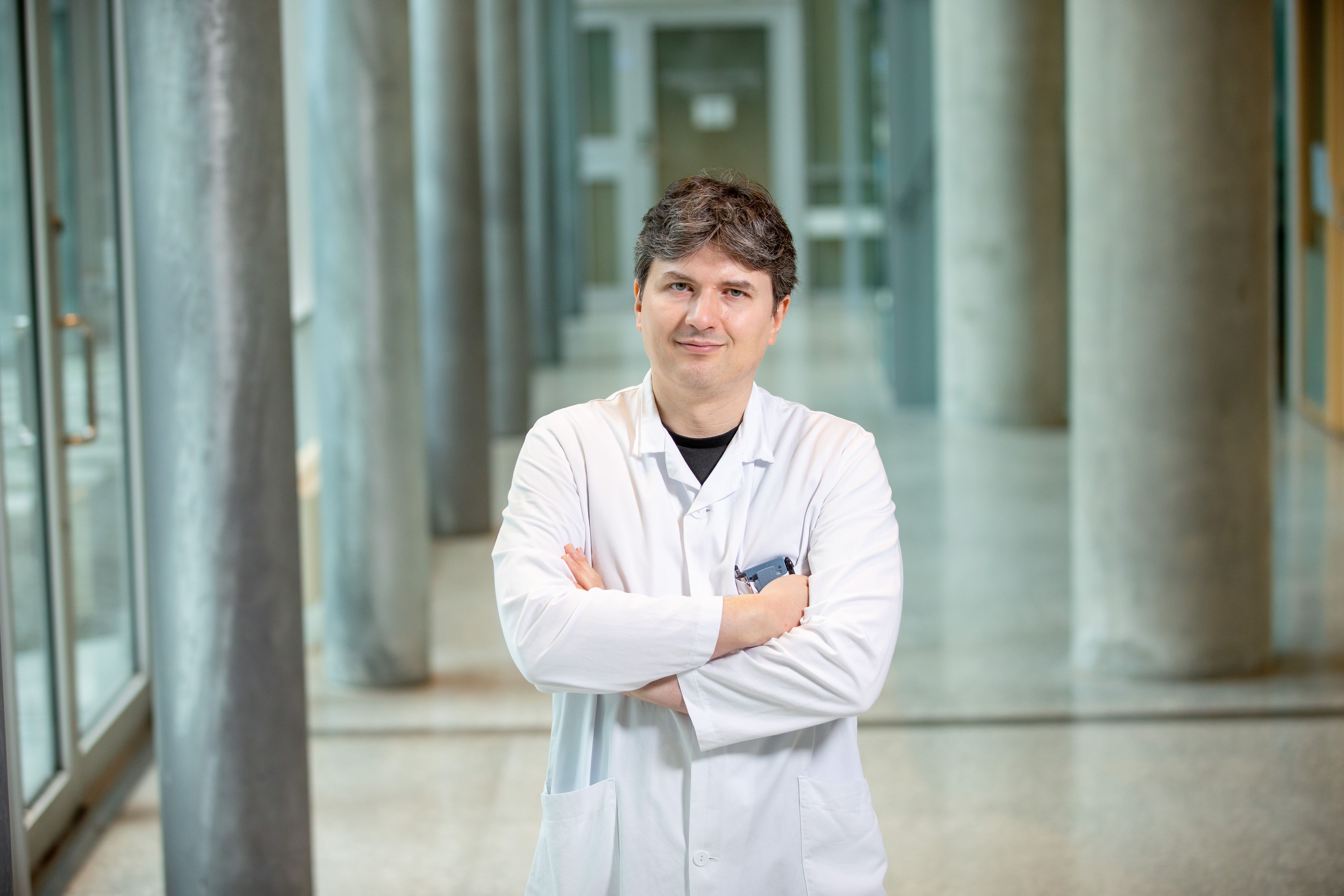
Even after decades of research, no approved treatment can slow or stop the progression of Parkinson’s disease. D-SPARK, a Phase 2b clinical trial, is investigating whether D-Serine, a naturally occurring amino acid, can improve symptoms and potentially modify its course. The study began in February 2026 and is a collaboration between SPARK NS and Haukeland University Hospital in Norway.
Eight months into the recruitment phase, D-SPARK has expanded from its lead site at Haukeland University Hospital to a total of six centers across Norway. As of early October 2026, around 65 participants had enrolled toward the goal of 124.
“As far as clinical trials go, this is an excellent recruitment rate,” said Charalampos Tzoulis, MD, PhD, Director of the Neuro-SysMed Center of Excellence for Clinical Neurological Research and Professor of Neurology and Neurogenetics at Haukeland University Hospital and the University of Bergen, Norway and the lead investigator on the D-SPARK trial.
Dr. Tzoulis also reports a high participant retention rate to date. In addition, although D-SPARK is a double-blind trial, meaning neither researchers or participants know which participants are receiving D-Serine and which are receiving placebo, ongoing safety assessments have identified no cause for concern so far.
“If the trial demonstrates a beneficial effect, it will enable us to move on to the next stage, which would be a Phase 3 trial—a definitive trial,” Dr. Tzoulis said. “If those findings are confirmed in Phase 3, this could reach patients with Parkinson’s disease all over the world.”
Watch the video below to hear directly from Dr. Tzoulis and Ravi Ponnusamy, PhD, Senior Project Manager at SPARK NS, about D-SPARK’s progress, the story behind the trial, and what comes next.
What D-SPARK Is Designed to Answer
The randomized, double-blind, placebo-controlled trial is enrolling people with relatively early stage Parkinson’s disease. Participants receive either orally administered D-Serine or a placebo.
Recruitment is limited to residents of Norway; D-SPARK is not enrolling patients who live outside the country.
Previous preclinical and clinical studies have provided preliminary evidence of D-Serine’s tolerability and potential therapeutic effects in Parkinson’s disease, supporting its further investigation in D-SPARK.
The Phase 2b study is designed to provide stronger evidence that D-Serine produces a meaningful clinical benefit while continuing to assess its safety. One of the main questions is whether treatment can improve both motor and non-motor symptoms in people with Parkinson’s disease. If the results support a clinical benefit, D-Serine could advance to a Phase 3 trial designed to confirm the results.
Researchers are also looking for signals that D-Derine may affect the underlying disease process. According to Ravi Ponnusamy, PhD, Senior Project Manager at SPARK NS, the study is examining whether treatment may help preserve neurons and their projections, which could provide early evidence of potential disease-modifying activity.
Dr. Tzoulis also emphasizes that participation in clinical trials such as D-SPARK can carry significance beyond the scientific data they generate.
“There may not be a treatment we can prescribe to stop the disease today, but by allowing people with Parkinson’s to participate in clinical trials of potentially disease-modifying agents, we are essentially giving them some control over their fate and their disease,” he said.
From the SPARK NS Program to the Clinic
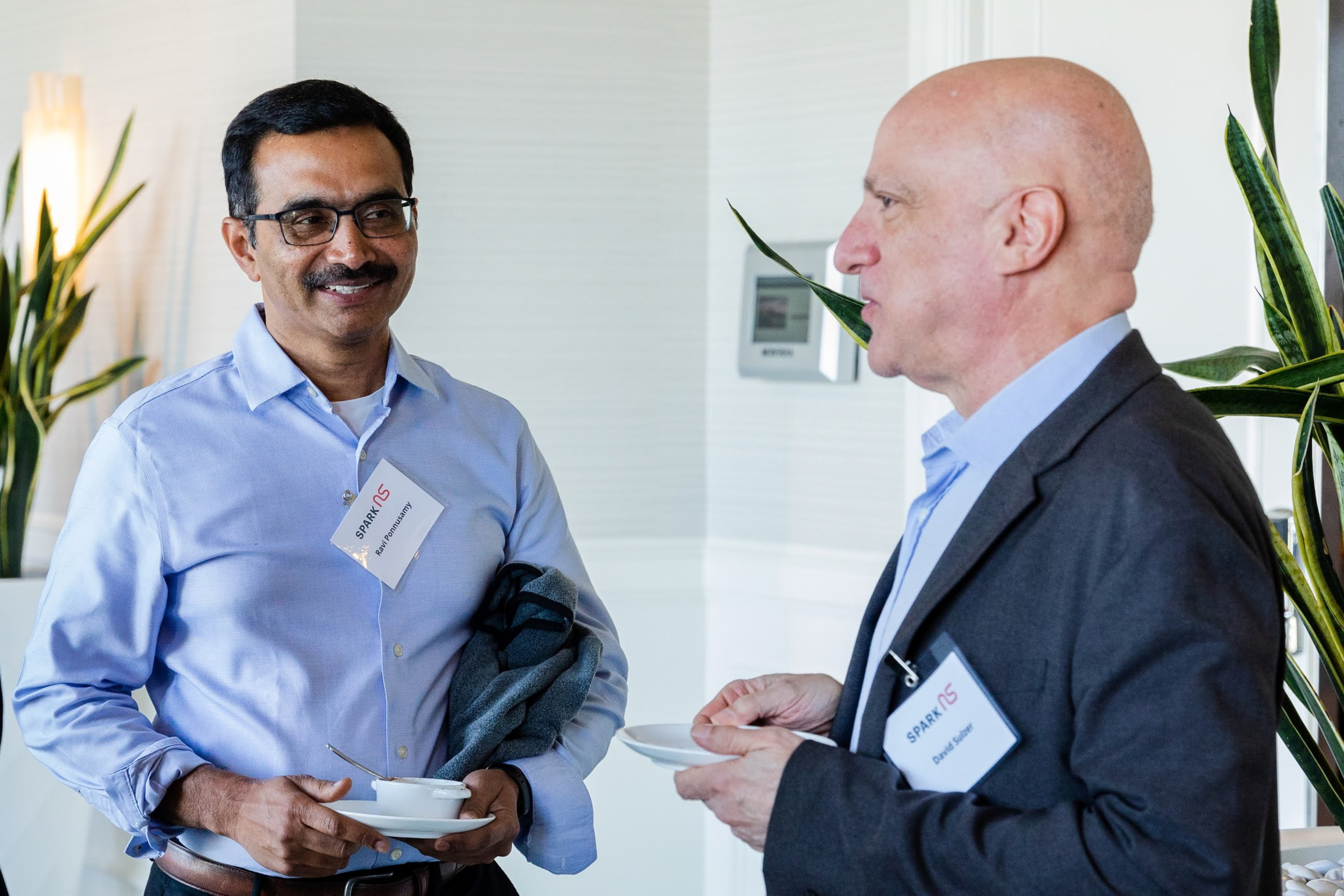
D-SPARK builds on foundational research from David Sulzer, PhD, Professor of Neurobiology at Columbia University, whose project was selected for the SPARK NS Translational Research Program in 2024. His team’s work helped identify D-Serine as a potential therapeutic candidate for Parkinson’s disease, laying the groundwork for testing it in patients.
Working with Dr. Sulzer, SPARK NS and the team at Haukeland University Hospital, Dr. Tzoulis and his clinical team helped move that research from the laboratory into the clinic.
As the first clinical trial to come out of the SPARK NS Translational Research Program, D-SPARK offers a tangible example of how the program supports academic researchers as they work to move promising discoveries toward patients. The program provides selected research teams with milestone-based funding, advice from academic and industry experts, drug development education, access to a collaborative community, and post-program support.
“Moving a project from translational research into a clinical trial requires coordination across scientific, clinical, regulatory, and operational workstreams,” Dr. Ponnusamy said. “Our role is to help keep those pieces connected and make sure the team has the support it needs to reach the next critical milestone.”
“SPARK NS has played, and still plays, a catalytic role in this project,” Dr. Tzoulis said, pointing to involvement that extends beyond funding to ongoing scientific guidance. “I think a good term for SPARK NS would be ‘chaperoning’ both the translational and the clinical efforts to investigate whether D-Serine indeed is or is not a viable treatment for people with Parkinson’s disease.”
What Comes Next
Recruitment will continue until the trial reaches its goal of 124 participants. Researchers are also following participants and collecting the data needed to evaluate D-Serine against placebo.
At SPARK NS, the focus is on supporting the team through completion of the Phase 2b study and the decisions its results will inform. If the results show a beneficial effect, D-SPARK could advance to a larger Phase 3 trial designed to confirm the findings.
D-SPARK is still underway, but its progress already marks an important milestone for the SPARK NS Translational Research Program.
“D-SPARK is the first clinical trial to emerge from our program, and we hope it will be the first of many,” Dr. Ponnusamy said. “Our goal is to continue helping academic researchers move their discoveries through translation and, ultimately, closer to patients.”
Learn more:
- Read our clinical trial original announcement: SPARK NS and Haukeland Univ Hospital Begin Parkinson's Clinical Trial
- Learn more about the SPARK NS Translational Research Program
- Explore the Parkinson’s and autism projects currently in our program