Giving Old Drugs New Life
Many existing drugs could find new life repurposed for different diseases or redesigned for better performance. But there are some hurdles.
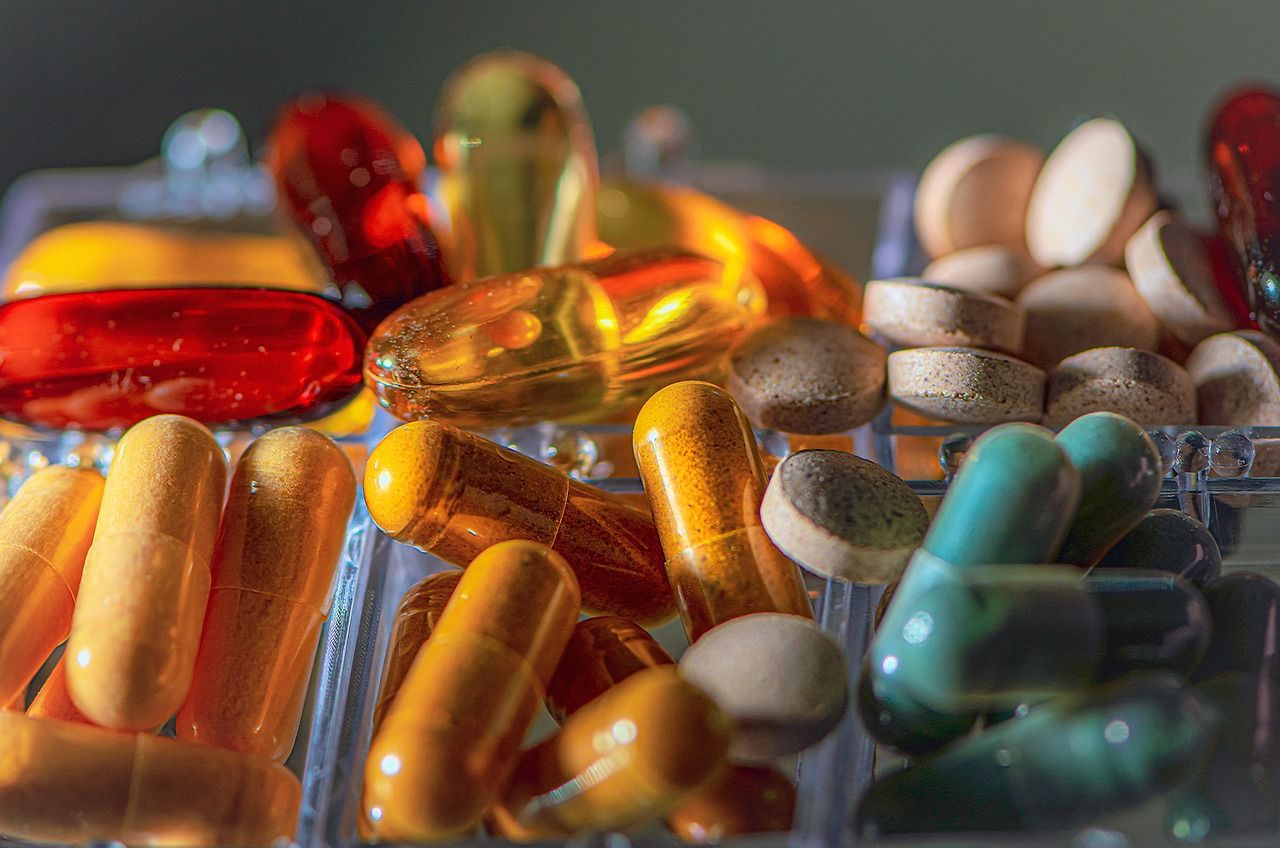
At the height of the AIDS epidemic in the 1980s, researchers raced to find treatments that could slow the virus and protect immune cells from destruction. Screening libraries of compounds for antiviral activity led them to azidothymidine (AZT), a drug originally synthesized in the 1960s as a potential cancer therapy. They found that AZT inhibits HIV’s reverse transcriptase enzyme, effectively blocking viral replication. Subsequent clinical trials showed that AZT could extend survival and improve patients’ quality of life. In 1987, the US Food and Drug Administration (FDA) granted accelerated approval to AZT, making it the first drug available to manage HIV/AIDS and a landmark in the development of antiviral therapy.
AZT’s transformation from a shelved cancer compound to the first approved HIV/AIDS therapy is a classic example of drug repurposing, illustrating how existing drugs can be redirected to new indications more quickly and efficiently than developing treatments from scratch.
Developing a new drug is an arduous process, often taking more than a decade and billions of dollars before a treatment reaches patients. That reality fuels interest in drug repurposing, sometimes called repositioning, which involves finding new clinical applications for existing medicines. Instead of starting from zero, researchers can build on what is already known about a compound’s safety and activity in the body. Hundreds of compounds have cleared safety hurdles in humans but never made it to market for other reasons, leaving behind a treasure trove of possibilities.
Considerations in Drug Repurposing
One consideration is that drug repurposing has never been the pharmaceutical industry’s core business. Existing drugs are often seen as less appealing than novel molecules because companies struggle to secure new patents and market exclusivity. That doesn’t mean intellectual property (IP) protection is impossible, but compared with brand-new therapeutics, commercial prospects might be limited.
Another consideration is that researchers sifting through compounds that stalled in clinical trials for reasons unrelated to safety might end up identifying some that cannot be patented or that are proprietary drug products owned by companies. In the former case, without patentability or exclusivity the business model may not justify investment. In the latter, it might be possible to partner with the company that owns the IP, especially if they see potential in a new market or opportunities for patent extension.
Even with these considerations, the promise of reviving shelved compounds and expanding treatment options keeps drug repurposing on the radar as a pragmatic, if underused, approach.
Many funders—including government agencies and non-profit organizations such as SPARK NS—are eager to support repurposing projects. Unlike pharmaceutical or biotech companies, their priorities are not tied to profitability, making them natural champions of approaches aimed at getting treatments to patients faster.
Reference
National Center for Advancing Translational Sciences. “New Therapeutic Uses.” https://ncats.nih.gov/research/research-activities/ntu
Learn More
- Learn more about SPARK NS