IP Basics: Protecting Your Discovery During Drug Development
A well-planned intellectual property strategy can make or break a discovery’s path to market. Here is what researchers should know before filing.
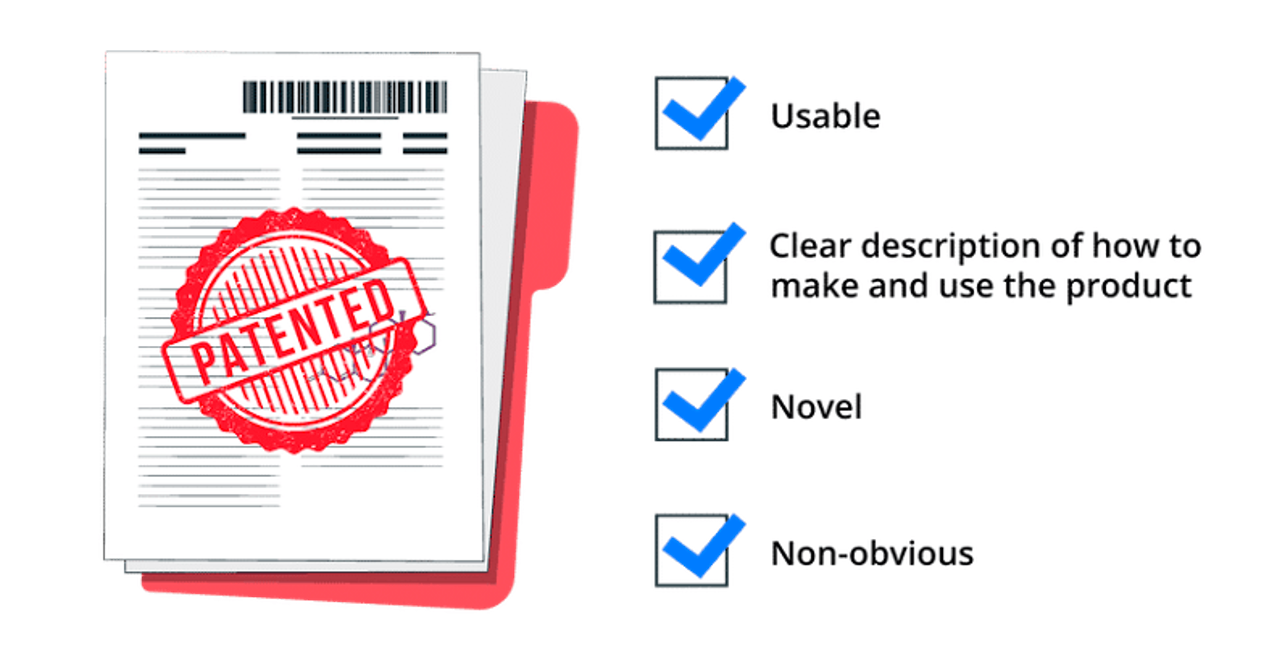
In the world of drug development, a good idea is only as valuable as the protection behind it. Intellectual property (IP) is a cornerstone of commercial success, shaping who can develop, market, and profit from a new therapeutic. For researchers advancing discoveries from the bench to bedside, revisiting IP strategy early—particularly during nonclinical development—can make all the difference between a promising product and one that never reaches the market.
When to File: Balancing Disclosure, Scope, and Timing
One of the most common questions researchers face is when to file a patent application. There is no universal answer and each invention, funding situation, and development timeline is unique. However, a few guiding principles can help.
First, before you disclose, file a patent. Publicly presenting data before filing a patent can eliminate novelty, rendering your invention unpatentable. Second, think carefully about scope. Patent claims must be supported by data. If the application includes results from just one antibody, molecule, or device, the resulting patent may be limited to that specific example. To protect a broader concept, researchers should aim to collect data demonstrating that their invention applies beyond a single working example. Ideally, the patent is filed once there is a solid dataset supporting the invention’s broader utility.
Third, be strategic about the timing of filing. Patents have a lifetime of 20 years from the initial filing date. Filing too early could mean losing valuable years of protection before a product reaches the market. On the other hand, waiting too long can complicate fundraising, clinical trial registration, or partnership discussions. It is a balancing act: optimizing the patent term while meeting the practical demands of development and disclosure.
Why Patent at All?
Patents are expensive, time-consuming, and require specialized expertise. So why go through the trouble? Simply put, patents are the foundation of competitive advantage in drug development. They give owners the exclusive right to prevent others from making, using, selling, or importing an invention within the patent’s scope. This exclusivity can deter competitors from copying a new therapeutic once it hits the market.
Even though patents last 20 years from the filing date of the initial application, developers can apply for patent term extensions of up to five years to compensate for regulatory review delays. This could make a difference for companies and investors, for whom strong patent protection is often a prerequisite for financial support.
Think Globally: Filing Beyond Borders
Filing a patent in a single country or jurisdiction is often insufficient. The Patent Cooperation Treaty (PCT) offers a streamlined way to pursue protection in multiple jurisdictions. By filing a single international application, researchers gain the same legal effect as if they had filed separate applications in each of the 158 contracting states.
However, there is no such thing as an international patent. The PCT process is simply the first step. Ultimately, patents are granted (or denied) by individual national or regional offices and thus need to be individually examined in each country or region. Still, the PCT can streamline the application process and buy valuable time while allowing applicants to make more informed decisions about where to invest in protection.
What Happens After Filing?
Once a patent application is submitted—through a technology transfer office (TTO) if the research was conducted at a university—the real work begins. The TTO collaborates with patent attorneys to prepare and file the application, typically with the US Patent and Trademark Office (USPTO) or, in Europe, the European Patent Office.
The USPTO first checks that the application is complete, allowing the applicant a short window (usually two months) to correct any deficiencies. Then, a patent examiner with relevant technical expertise reviews the claims for novelty, non-obviousness, enablement, and clarity, among other criteria. This process often involves an office action—a formal communication detailing any issues—that triggers a back-and-forth exchange until the claims are either approved or the applicant submits an appeal.
A well-planned IP strategy early on can save researchers countless headaches down the road. It not only protects the invention but also strengthens the project’s commercial viability, making it more attractive to industry partners and investors. For academic innovators looking to translate discoveries into real-world products, a proactive approach to patenting is one of the most effective ways to turn scientific insight into societal impact.
Learn More
- Read the article "IP Basics: The Risks of Sharing Discoveries Too Soon"
- Learn more about SPARK NS